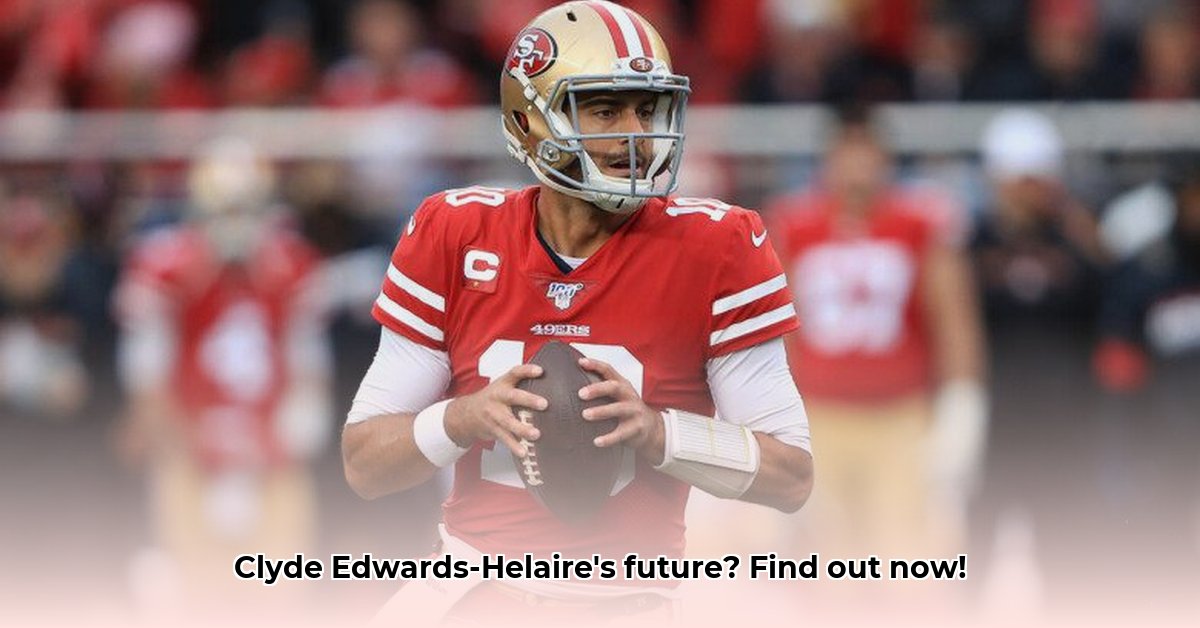
Clyde Edwards-Helaire's (CEH) NFL career, while initially promising, has been significantly impacted by injuries, affecting his playing time and, consequently, his net worth. This analysis examines his contract, injury history, and future earning potential, offering a data-driven perspective on his financial trajectory. How has a combination of factors shaped his current financial standing? Let's delve into the details.
Understanding CEH's Contract and Initial Success
CEH signed a four-year, $10.82 million contract with the Kansas City Chiefs upon entering the league. This structure, typical for a rookie deal, included a substantial guaranteed amount. This offered financial security for CEH regardless of on-field performance. His promising rookie season initially suggested a bright financial future, but unforeseen circumstances would significantly alter his trajectory. A robust signing bonus provided a strong financial foundation, but the inherent risks of the NFL became a defining feature of his career.
Injuries: A Defining Factor in CEH's Earning Potential
Injuries have significantly hampered CEH's career. Hamstring, hip, ankle, knee, and shoulder problems have resulted in substantial missed playing time. This has not only reduced his on-field contributions but also drastically lowered his market value compared to expectations established in his rookie year. The impact of these injuries on his net worth is substantial and undeniable. How much of his initial contract's potential has been lost due to these recurring issues? This question is central to understanding his financial realities.
The Impact of Injuries on CEH's Net Worth
CEH's initial contract reflected his strong pre-draft potential. However, persistent injuries have severely impacted his earning trajectory. Each missed game represents lost salary and decreased future earning potential. His diminished role within the team further erodes his market value and ultimately, his net worth. His financial situation is a direct consequence of both physical setbacks and the fierce competition within the NFL. How can athletes like CEH better protect themselves against these unpredictable factors?
Shifting Market Value and the Challenges Facing Running Backs
CEH's position as a running back adds another layer of complexity. The physical demands of the position contribute to shorter careers than those of players in other positions. This significantly impacts projections of his future earnings. Expert analysis suggests that the combination of injury history and the inherent physical toll of the position creates significant uncertainty regarding his long-term financial prospects. How do teams and players navigate this inherent risk?
Predicting the Future: A Complex Equation
Predicting CEH's future earnings is difficult, dependent on his health and future performance. His ability to regain peak form and secure a lucrative future contract is uncertain. He may need to diversify income streams through endorsements or business ventures to strengthen his long-term financial security. This highlights the importance of financial planning for athletes, especially those subject to the inherent risks of injury in professional sports. What strategies can athletes employ to mitigate this risk and ensure financial stability beyond their playing days?
Risk Assessment and Mitigation Strategies
A comprehensive risk assessment highlights the challenges CEH faces:
| Risk Factor | Probability | Impact | Mitigation Strategy |
|---|---|---|---|
| Recurring Injuries | High | High | Proactive injury prevention, rigorous rehabilitation, modified training regimens |
| Diminished Playing Time | Medium | Medium | Maximizing impact during limited opportunities, potentially shifting roles |
| Lower Market Value | Medium | Medium | Expanding skill sets, developing off-field income streams (business ventures, endorsements), career transition planning |
| Contract Expiration | Low | Medium | Demonstrating strong performance to leverage a new contract; securing value beyond football |
The Broader Perspective
CEH's career demonstrates the unpredictable nature of professional sports, highlighting the crucial roles of injury prevention and smart contract negotiation in managing financial risk. His experience serves as a reminder of the unforeseen obstacles athletes can face, dramatically impacting their long-term financial well-being.
How NFL Teams Mitigate Injury Risk in Running Back Contracts
NFL teams use various strategies to minimize injury risk, especially for running backs. Contract structures often reflect these efforts:
- Shorter-Term Contracts: These provide flexibility in the event of a significant injury.
- Guaranteed Money vs. Incentives: Balancing guaranteed payments with performance-based incentives reduces financial exposure to injury-related absences.
- Roster Bonuses and Incentives: These incentivize player health and provide a pathway for adjusted payments should injuries occur.
- Comprehensive Physical Exams: Pre-draft evaluations and ongoing monitoring help identify potential risks and refine training plans accordingly.
The rise of Isiah Pacheco also impacts CEH's value, highlighting the competitive nature of the NFL. Further complicating matters, CEH's recent PTSD diagnosis underscores the importance of comprehensive mental health support in the NFL. This influences his recovery, training, and overall ability to compete, impacting his future prospects. His case encapsulates the complex interplay of physical capabilities, competitive pressures, mental well-being, and financial realities in the NFL. His future remains uncertain, emphasizing the need for financial planning and diversification beyond athletic performance.